

Key Takeaways
- Conduct periodic inspections of your storefront signage. Ensure it accurately reflects your brand image and communicates the right message to prospective customers.
- Prioritize sleek, polished aesthetics, easily legible fonts, and thoughtful color palettes to draw in potential customers and communicate credibility.
- Update worn, outdated, or unclear signs promptly to maintain a positive first impression and stay relevant in a competitive marketplace.
- Use signage to highlight your unique selling points, guide customers inside, and clearly announce promotions or sales.
- Invest in both traditional and new signage solutions, including materials, lighting, and interactive digital features that best complement your business.
- Keep an eye on customer feedback, foot traffic, and sales trends to gauge signage impact and guide future enhancements.

When your storefront is sending the wrong message, business signs are the solution. The business sign on the exterior not only reflects your message, but it also creates that first impression, the sign’s choice of aesthetic. Concise language, high visibility colors, and an appropriate size all set the tone for customers on what they can expect from you.
An effective storefront sign will communicate exactly what you sell while welcoming potential customers inside. Consumers see an impactful sign at a glance, and it registers in their memory. If your sign is outdated or illegible, people will walk right by you.
Replacing the business sign can clear up any confusion and make a great first impression. In this post, I talk about what makes a sign work, steps to fix common sign problems, and tips to match your sign with your brand, so people know what you stand for.
What Message Does Your Sign Send?
Your sign represents your business more than just the name on it. It’s your spokesperson around the clock. In a world bombarded by thousands of advertisements each day, your storefront sign is the one marketing medium customers see before entering. Whatever you do, make it count!
An effective sign attracts new customers, establishes credibility, and differentiates your brand in a cluttered marketplace. Shore up your curb appeal by considering what message your sign sends to potential customers. This one easy fix can land you more customers and save your business money!
Decode Your Current Storefront Vibe
Begin by making sure you have the right color palette and sign header style. Bright, bold colors are great for attracting attention, and pastel shades will create a soothing atmosphere. Consider what fonts, pictures, and organization you will use.
Imagine a sign with an illustration of a family loading up their car. The misspelled “Road Trip Ready?” immediately conveys to families that you’re ready to help them on their journeys. See who stops to read your sign. A passing glance, an appreciative smile, or someone taking the time to read can assure you that your sign is making all the right moves.
Test your sign against others on the block. If yours looks like faded infra or Camelot, it’s not going to grab attention.
Common Signage Communication Pitfalls
We get it—sometimes, signs aren’t the most creative and just get filled with words that don’t say anything. Slogans such as “Quality Service” or “We Sell Brakes” are simply not enough.
Overwhelming clutter can make it difficult to read—too much text or imagery can obscure your primary focus. Rusty letters or cracked paint can convey to visitors that you don’t care about your business.
Impact Of Confusing Sign Messages
When signs send confusing signals, people simply walk past them. Straightforward, easy-to-understand language and graphics make it immediately clear to a potential customer what kind of product or service you provide.
Using the same logo, colors, style, etc. Helps your message stay consistent and creates a sense of familiarity, which is much more comforting!
Signs Your Signage Needs Help
Faded paint, burnt out bulbs, illegible text, and broken signs can lose customers before you even get the chance to welcome them in. Signs without basic information, such as hours of operation or a contact phone number, force customers to fill in the blanks.
If you haven’t updated the logo or slogan on your sign since the 90s, it’s time to send a new message.
How Signs Actively Shape Perception
ODaily signs accomplish much more than identifying a name or logo. Signs are an opportunity to roll out the welcome mat, communicate your values, and establish the desired tone from the outset. With just three seconds to spare, a sign may display your values, priorities, and even your character.
People choose whether they’re going to enter or just pass by before they even get through the door, usually. Acclimating to a new place, a stark, new-shiny sign welcomes you in silence. Without saying anything, it just shines trust and energy.
1. Establish a Strong Brand Identity First
When I design my signs, I focus on the big picture first—my values. Every detail, from colors to the words I pick, has a job: to show what I stand for. I stick with the same look and tone everywhere, so people know it’s me, whether they see my sign on Main Street or in an ad online.
2. Attract Your Ideal Customer Base
I draw on taste, style, color, and design that resonates with the tastes of my ideal customers. For example, a family shop might use warm, bold colors and playful fonts, while a tech store picks sleek lines and cool tones.
The purpose is the same and very obvious—attract the people who are going to jive with what I have to give.
3. Communicate Core Values Visually
Easy-to-understand symbols, pared-back language, and genuine photographs convey my values and outline what I stand for. Each of these decisions speaks to my story quickly and allows people to feel good about popping in.
4. Build Trust Through Professionalism
Signs of high quality and care, well illuminated, communicate pride. So I do my bit and keep ‘em clean and sharp—I want people to feel safe welcoming my place home!
Explore Business Sign Varieties
When you first walk up to a business, the type of sign they have out front, if any, really sets the mood. Choosing the appropriate business sign for your establishment will set the tone for how people perceive your company. Different styles of business signs serve different purposes.
Storefront signs, monument signs, pylon signs, and digital message centers all do a great job getting people to pay attention. Each type has its advantages, so the ideal choice will vary based on what location you have, what image you want to project, and who your audience is.
Timeless Traditional Sign Choices
Metal and wooden signs create a traditional appearance. These signs last for decades, weathering sun, wind, and rain. A memorable wooden hanging sign can evoke classic character, or a sleek metal plaque can be crisp and contemporary.
These signs are ideal for storefronts that are looking for an outdated, retro look or looking to invoke a little nostalgia. When you make your sign with the highest quality materials, your sign continues to appear brand new, even after decades have passed.
Innovative Modern Signage Solutions
The use of new materials such as acrylic and aluminum in today’s signs gives off a crisp, shiny aesthetic. Because they shine not unlike traditional electric lights, LED-backlit signs, when too bright or poorly positioned, can draw negative attention. Meanwhile, programmable LED digital displays allow businesses to rotate messages with ease, but must be carefully regulated to meet local lighting codes.
They have long lifetimes, require low maintenance,ce and allow full control of light levels. Unlike most other sign types, digital displays can easily and instantly change their content, convenient in particular for businesses with daily deals or specials to promote.
Smart LED signs even allow you to control what people see from anywhere using Wi-Fi or Bluetooth.
Digital And Interactive Sign Features
Interactive business signs help draw pedestrians to your establishment by getting them involved. With touchscreens, these folks can quickly get to the information they need.
With QR codes, customers can simply scan to find out more right away. Animated light displays attract attention. Animated light-up signs draw people in, making your storefront nearly impossible to overlook.
A good sign company can help you pick the best tech, sort out rules, and make sure your sign works for your brand.
Master Key Sign Design Elements
Properly designing your business sign takes more than just printing bold text or illuminating bright lights. The most effective signs combine great design principles, legible copy, impactful graphics, and appropriate material selections. Every element counts, whether it’s the typeface you choose or the colors that stand out.
These design decisions not only represent what values and principles your brand embodies but also assist customers in identifying your company’s distinctive look from afar, even at night.
Choose Colors That Speak Volumes
Typography is often overlooked in signage, but legibility is just part of the story. For example, red encourages action, blue instills a sense of trust, and green evokes calm. Then I select a color palette that portrays my brand identity.
As a designer, I choose colors that immediately evoke an emotional response in their audiences. High contrast, such as black text on a white background, increases readability, and words pop off the sign.
Even when I’ve used these colors, I always consider who’s looking—red might be “sale” in one culture and “warning” in another. For a coffee shop, soft browns and creams work well, while a tech store often goes for sharp blues and silvers.
Select Typography For Readability
Clear, condensed typefaces read the best from across the street. I avoid elaborate scripts and use no more than two typefaces for a clean style. Text needs to be large enough to be read from no less than 50 feet.
The text treatment is an extension of my business aesthetic. From an attorney’s office to a toy store, it can be sleek and contemporary or whimsical and colorful.
Use Imagery That Resonates
When short on time, a paintbrush, a simple coffee cup, or a wrench tells your story quickly. Clear, crisp, professional photos immediately attract attention and help you showcase your work.
I don’t post anything that doesn’t align with my brand—no cartoon coffee beans on a bank’s profile.
Optimize Lighting For Visibility
We all know that a good sign lights up, especially at night! I often employ LED strips or backlit panels so that even after dark, my message is still clear and present.
Then I position the lights to ensure minimal glare to make messages legible to both drivers and pedestrians.
Pick Durable Sign Materials
Choices of materials such as aluminum, acrylic, and treated wood withstand the elements of rain and sunshine. I order materials, like finishes, that are long-lasting and will endure extreme heat and cold, saving money long-term.
Wherever possible, I chose recycled or low-impact materials to stay on the sustainable track.
Maintain Your Signage Investment
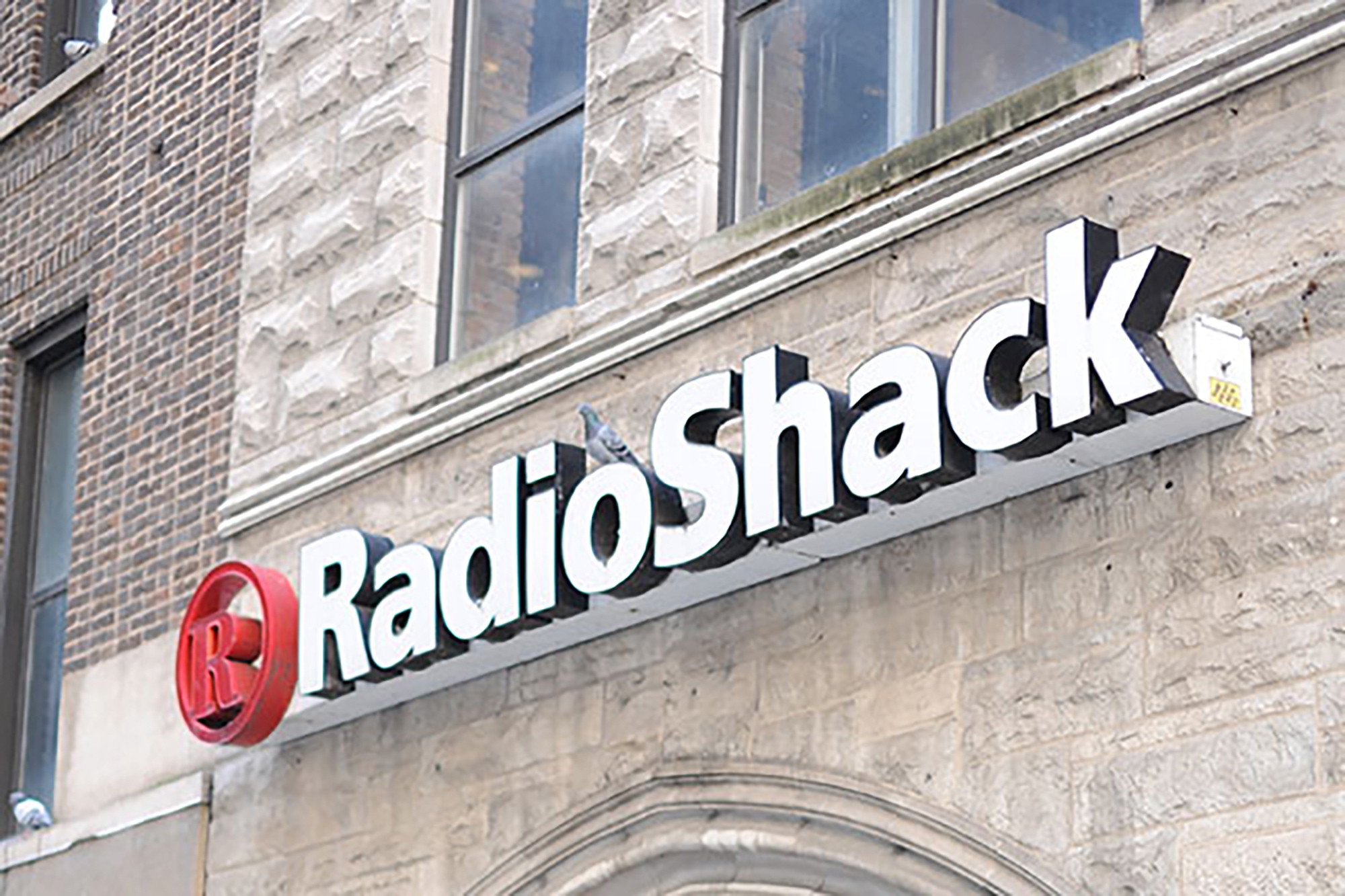
Sign maintenance is brand maintenance, and it ensures that your business’s home always looks its best. Maintenance inspections prevent issues from wear, fading, or even minor chips that may lead to more serious damage. A rundown, faded sign at a busy corner can create the opposite impression.
It makes your town look old and dilapidated. You only get one first impression, and the first thing people notice needs to communicate that you care about your business. Choose durable, weatherproof materials so your sign can stand up to the wind, blazing sun, and pounding rain. This ensures that it remains highly reflective and legible long into the future!
Why Regular Sign Updates Matter
If your business ever updates its logo or brand colors, your signage should reflect that immediately. Plus, regular updates with a new design help to maintain people’s attention and demonstrate that you are on top of ever-evolving trends.
There are great opportunities outside of status updates to use signage for big announcements about new product lines, holiday hours, or seasonal specials. Regularly maintaining and updating your signage goes a long way in establishing your brand as a leader in innovation and creativity.
At Tangerine Sign Studio, our team builds signs that fit your brand and budget, making updates easy and smooth.
Schedule Routine Sign Maintenance
A solid, yet simple, maintenance plan goes a long way. Inspect your signs every three months and address minor issues immediately. Whether it’s a simple bulb replacement or a little refresher paint, maintaining the signage makes everything look sharp.
By training your staff to identify maintenance problems, you can ensure fixes are made quickly.
Recognize Outdated Signage
Shabby, dilapidated-looking signage will do nothing but drive your customers away. If someone tells you your sign is difficult to read or it appears worn out, that’s an indication of an opportunity missed.
Updating or refurbishing your current sign can likely attract more business and improve your overall visibility.
Measure Your Signage Success
Whether or not your signage accomplishes its purpose should come from tangible evidence rather than mere speculation. The impact of updated signage goes beyond aesthetics. New signs do so much more than prettify your windows. They attract people in, create an atmosphere, and subtly influence how your brand appears to every potential customer that walks by.
A sign can be your best tool for grabbing attention in a busy market. 90% of people notice signs before anything else about a business. With creative, long-lasting signage from Tangerine Sign Studio, we’ll help you stand out from your competition, so customers will remember your brand.
Our team brings hands-on skills, from design and build to setup and upkeep, always fitting the sign to your style, budget, and rules.
Track Foot Traffic Changes
After all, once you install those new signs, you hope to find out you’re getting more visitors as a result. Go with basic tally counters or electronic clickers at your entrance. It’s simple to track the number of people walking in before and after you implement an improvement, too.
This determines whether or not the new sign is increasing visitation. For example, this bakery replaced its old, faded lettering on its window with an eye-catching new sign. Since then, they have attracted increased lunchtime customers.
By tracking all these metrics every week, you’ll have everything that’s working, as well as when your sign has the most eyes on it.
Monitor Customer Feedback Directly
That’s why hearing directly from customers is so important. You might leave comment cards by the register or issue brief online surveys. Inquire with items such as, “Did you notice our new signage?” or “Was it clear how to get to us?
Those answers provide you with the impetus to make improvements, such as altering color choices or bolding your text. One small shop learned that brighter lights on their sign made it easier for folks to find them at night.
Analyze Sales Data Trends
Analyze your sales data pre- and post-sign installation to help measure your signage success. When you notice an increase in sales, you’ve confirmed that your sign attracts buyers, not only lookers.
Tracking by month allows you to see direct correlations between signage modifications and money in the register. With facts at your disposal, you can make smart, data-driven decisions about what should happen next.
For instance, you could introduce a new window banner or replace older graphics.
Smart Signage Budget Strategies
Smart signage spending takes a workable blueprint. This strategy needs to be targeted precisely at the areas where you can get the most bang for your buck. Choose a single location to begin with, such as the front window or around the cash register, and place your initial investment there.
Digital signs placed in more visible and high-traffic spots do catch more eyes, with research indicating that 63% of shoppers notice them more often than traditional signage. When you determine your budget, plan beyond the initial purchase. Materials, design, and setup are just the beginning of the equation.
Don’t forget budget provisions for routine cleaning, repairing, and upgrading.
Identify Key Cost Factors
Sign costs break down into three main parts: what the sign is made of, how it looks, and how it’s installed. Metal and LED signage may cost more upfront than vinyl or foam board signage, but they last up to five times longer. Design costs can be significant if you opt for custom-developed graphics.
You can save on this cost by using template graphics. Install fees vary widely based on the size of the sign and geography. In particular, higher placements or outdoor installations may require additional equipment or permissions.
To save money in the future, choose materials that require little maintenance. Digital signage doesn’t come cheap, and these signs need constant power and consistent software updates. You can maximize their value by programming new content in advance of a sale or around a holiday.
Find Quality Affordable Options
When you shop for your signs, look into local sign shops for quality and competitive pricing. Request quotes from several different suppliers and ask for samples. For temporary or short-term signs, such as sale banners, creating homemade signage saves money.
Prioritize Impact Over Size
A small, well-placed sign with just the right words and imagery attracts far more people than a huge one with too much information. Implement high-contrast color combinations and limit lines of copy.
Conclusion
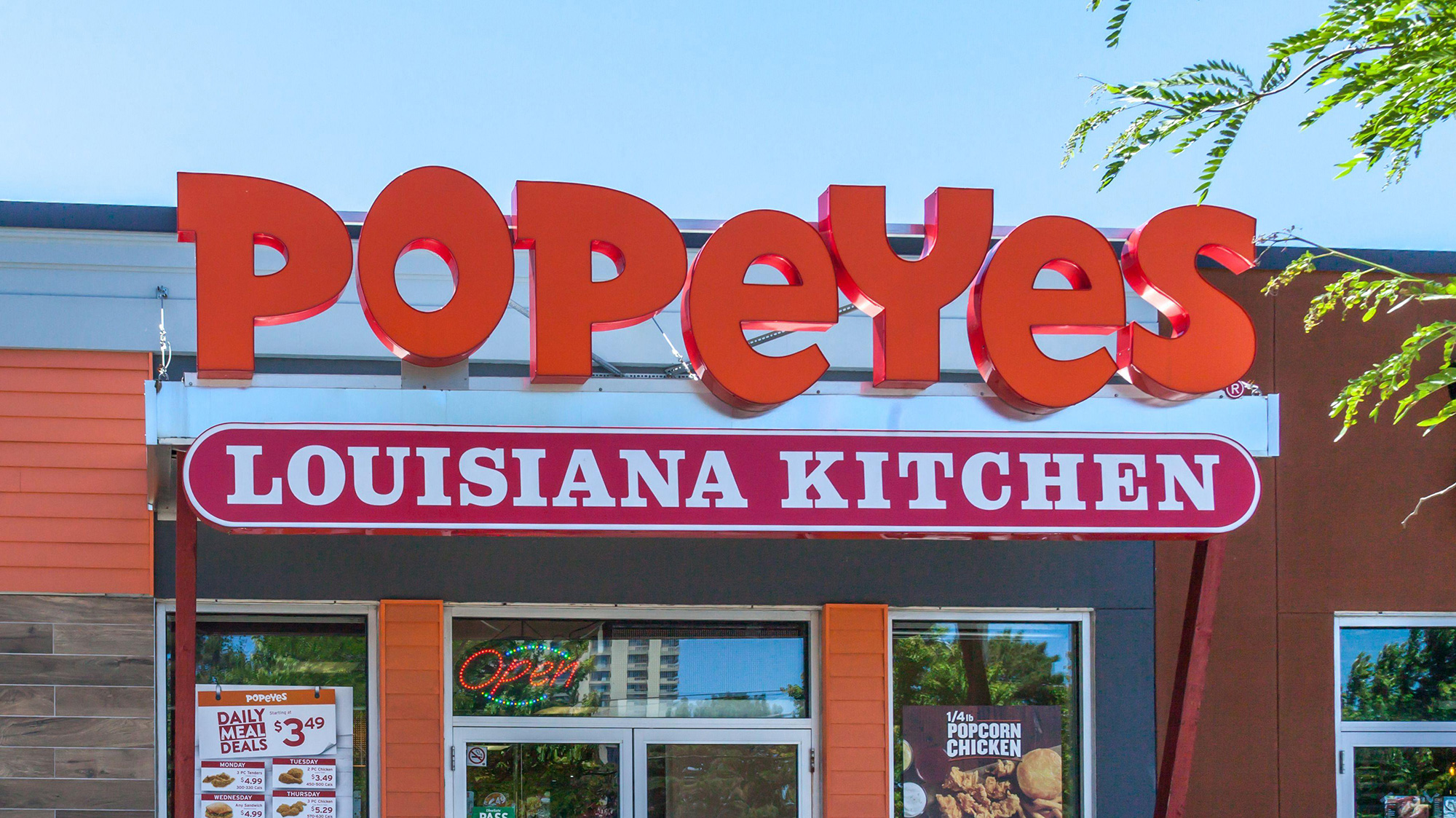
Well-designed signs convey to people what my community is all about and what I have to provide from the very beginning. Eye-catching, professional signs attract new customers and create the right atmosphere for my store. Big, bright, and simple signage: Clean Lines + Bright Colors + Simple Words = Friendly, Approachable Business Storefront Signage That Stands Out.
There’s nothing wrong with trying to find your best form, fit, and place when it comes to your sign. Trustworthiness and connection go hand-in-hand with a well-maintained sign. A glowing “open” sign in the wee hours attracts people, who may pull over, inquire, and enter. My sign is more than just a name over the door—it’s an actual device that communicates my business identity. Looking for more insight on your storefront message? You might be surprised to learn that a small change like this can have a dramatic effect on your foot traffic and contribute to increased sales.
Frequently Asked Questions
1. How Does My Storefront Sign Impact Customer Perception?
Your business sign is likely the first glimpse customers will have of your store or restaurant. A well-designed, clean sign builds trust and attracts visitors. Outdated, damaged, or difficult-to-read signage can create the impression that your business is of low quality, untrustworthy, or even dangerous.
2. What Are The Most Popular Types Of Business Signs?
Favorite choices are channel letters, window graphics, monument signs, banners, and LED displays. Each one fulfills distinct purposes, from establishing an identity for your storefront to highlighting promotions and providing wayfinding.
3. What Sign Design Elements Matter Most?
Important considerations are their signage readability, logo color contrast, good lighting, and recognizable branding. Incorporating these priorities will ensure your business sign stands out and is easily remembered, attracting more customers to your business.
4. How Often Should I Update Or Maintain My Business Sign?
Check your sign at least twice a year. Ensure you clean it regularly and repair any damage or lighting issues as soon as possible. Plus, the better care you take of your signs, the longer they’ll last and keep your brand’s powerful first impression going strong.
5. How Can I Measure My Sign’s Effectiveness?
Monitor foot traffic, question new customers about how they heard of you, and observe sales before and after installing or updating your sign. These metrics are to provide you with insight into whether your sign is producing returns.
6. What’s A Smart Budget For Business Signage?
Plan on spending 5–10% of your overall business launch or rebranding budget on signage. Professional business signage is an investment that returns dividends in visibility and customer interest.
7. Can Professional Sign Design Improve Sales?
Yes. Professionally designed signs boost brand recognition, attract more foot traffic, and directly increase sales by making your business easier to find and more appealing.
Need Business Signs? Choose Alpharetta’s Trusted Commercial Sign Company
When your business signs don’t match the quality or energy of your brand, they can hold your business back. Faded lettering, poor placement, or generic designs don’t just go unnoticed—they can actively drive customers away. Tangerine Sign Studio knows how critical the right signage is for making your business visible, memorable, and successful.
As a leading commercial sign shop in Alpharetta, GA, Tangerine Sign Studio offers customized business sign solutions designed to enhance your brand presence. With over 25 years of experience in advertising and design, we specialize in crafting high-impact signs that get noticed and get results. From bold storefront signs and polished interior signage to dynamic event displays, we bring your vision to life with creativity, precision, and purpose.
The result? Business signs that reflect your brand’s true potential, attract attention, and inspire confidence. Let Tangerine Sign Studio help you create signage that not only gets seen but also makes a powerful statement. Contact us today to start building the business signs your company deserves. Together, we’ll ensure your brand leaves a lasting impression.
Disclaimer:
The information provided on this website is for general informational purposes only and should not be considered professional or legal advice. While Tangerine Sign Studio strives to ensure the accuracy and timeliness of the content, we make no representations or warranties of any kind, express or implied, regarding the completeness, accuracy, reliability, or suitability of the information, services, or related materials on this site. Any reliance on the content found here is strictly at your own risk. Tangerine Sign Studio shall not be liable for any loss or damage, including but not limited to indirect or consequential loss, arising from the use of this website. Links to third-party websites are provided for convenience and informational purposes only; we do not endorse or have control over their content. For specific guidance on signage projects, permitting, or design recommendations, we encourage you to contact our team directly.